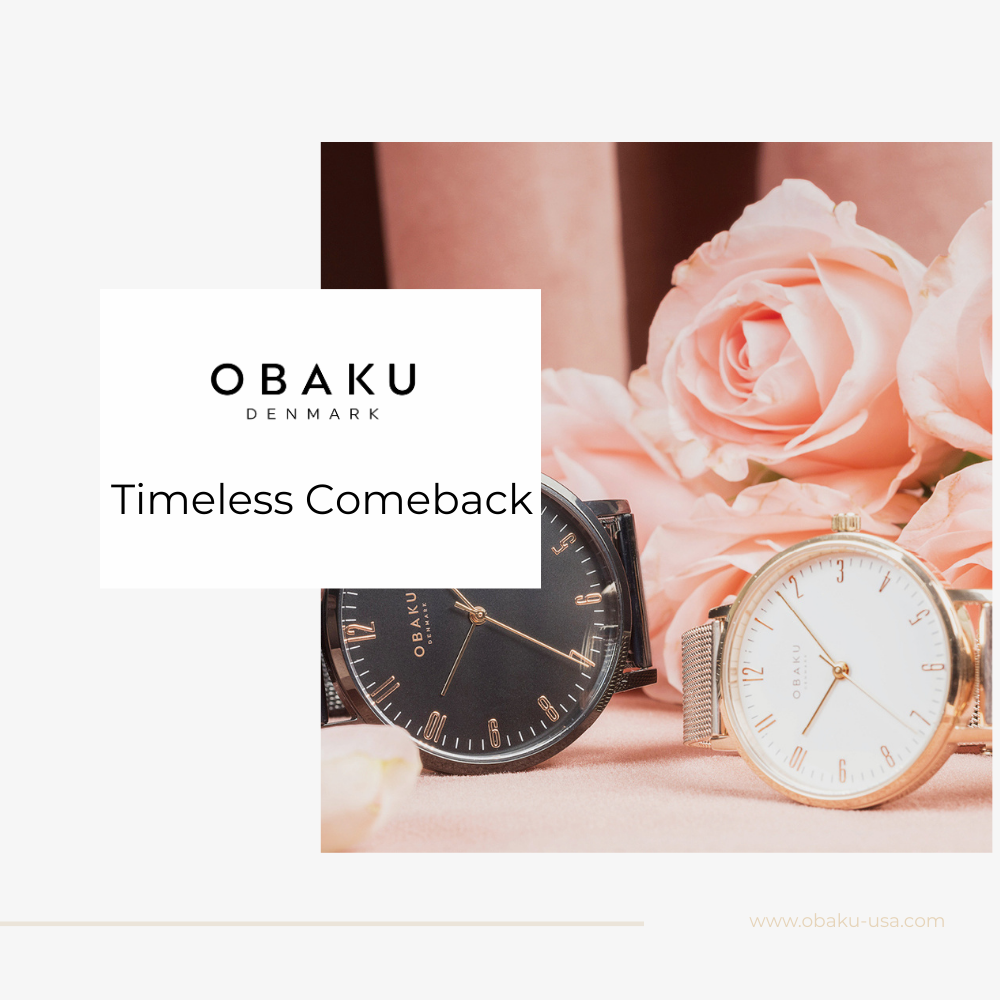
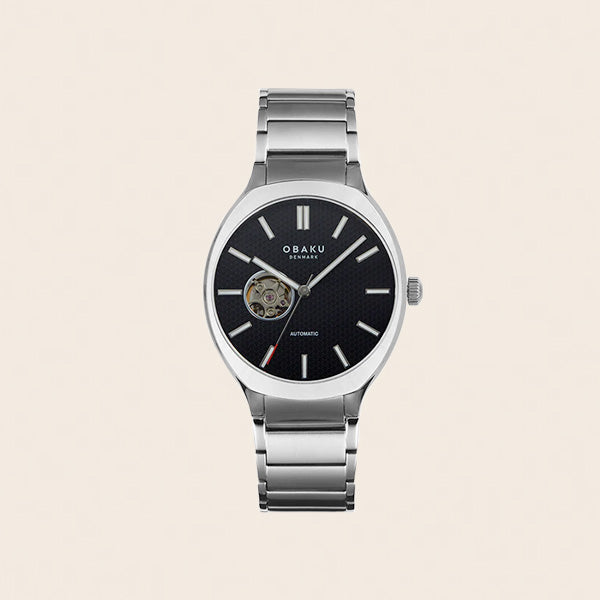
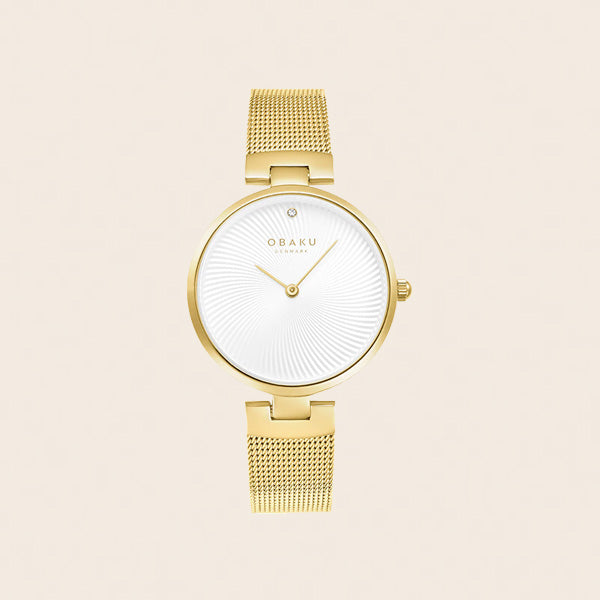
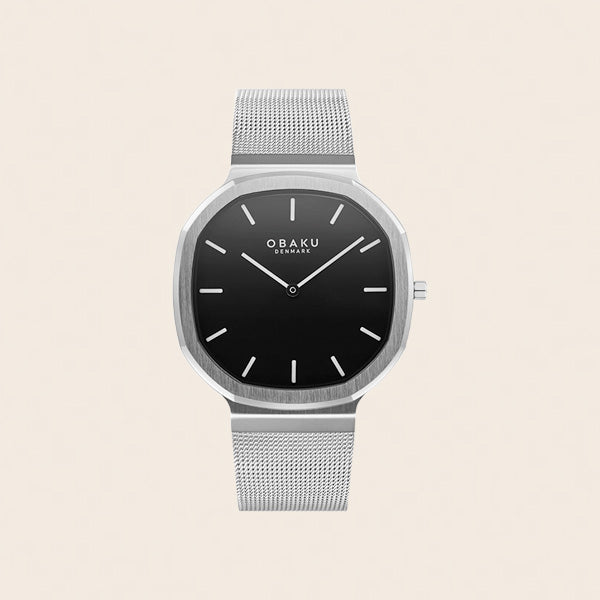

For a while, it seemed like the wristwatch was destined for the history books. When smartphones became ubiquitous, the primary function of a watch—telling time—was suddenly in everyone’s pocket. Then came the smartwatch revolution, promising to put the internet, our health data, and our notifications right on our wrists. It felt like the final nail in the coffin for mechanical timekeeping.
Yet, something unexpected happened. Instead of fading away, the resurgence of watches has become one of the most significant shifts in men's and women's style over the last few years. From vintage dealers selling out of inventory to Gen Z influencers flaunting Cartier Tanks on TikTok, the watches comeback trend is undeniable.
But why now? In an era dominated by high-speed technology, why wear a watch that only does one thing? The answer lies in a mix of digital fatigue, a hunger for nostalgia, and a renewed appreciation for craftsmanship. Here is why the classic wristwatch is reclaiming its spot as the ultimate accessory.
Escaping the Notification Trap
We live our lives tethered to screens. Our phones, laptops, and tablets demand our constant attention. For a long time, the smartwatch seemed like the logical evolution of the accessory—a way to stay connected without holding a phone. But for many, that constant buzzing on the wrist became a source of anxiety rather than convenience.
The debate of watches vs smartwatches is shifting. People are realizing that wearing a computer on your wrist means you never truly disconnect. An analog watch making a comeback represents a deliberate choice to unplug. It doesn't ping you when you get an email. It doesn't tell you to stand up or breathe. It simply tells the time.
This simplicity is a luxury. Wearing a mechanical or quartz watch is a quiet rebellion against the "always-on" culture. It signals that you value your time enough to protect it from the intrusion of digital noise. This desire to reclaim personal headspace is a huge driver behind why watches are trending among younger generations who have never known a life without the internet.
The Return of the Timeless Accessory
Fashion is cyclical, but some items transcend trends. The watch is the definition of a timeless accessory. While sneakers and handbags often dominate the conversation around collectibles, watches as fashion accessories have moved to center stage.
A watch anchors an outfit. It provides a focal point that jewelry often cannot achieve on its own. Whether it’s a rugged diver watch paired with a suit or a delicate dress watch worn with a t-shirt and jeans, stylish timepieces add a layer of intention to personal style. It shows you paid attention to the details.
The everyday watch trend is moving away from the "bigger is better" mentality of the early 2000s. We are seeing a return to modest, understated elegance. Classic watches in style right now include field watches, retro dress watches, and pieces that evoke a sense of history. It isn't just about showing off wealth; it’s about showcasing taste. This shift has democratized the hobby—you don't need a Rolex to participate. A vintage Casio or a carefully chosen Seiko commands just as much respect in fashion circles today.
Nostalgia and the Tangible Connection
There is a romantic element to the watch popularity rising charts. Much like the revival of vinyl records and film cameras, people are craving physical, mechanical objects. We spend so much time interacting with glass screens and virtual interfaces that we miss the tactile satisfaction of gears, springs, and metal.
Winding a watch in the morning creates a ritual. Hearing the faint ticking sound connects you to a tradition of engineering that spans centuries. Are watches coming back because they are better at keeping time than a phone? No. A $10 digital chip is technically more accurate than a $50,000 Swiss tourbillon. But accuracy isn't the point—emotion is.
This emotional connection is fueling the market for vintage timepieces. Buyers want stories. They want a watch that looks like it has lived a life. The scratches on the case and the patina on the dial are features, not bugs. This appreciation for the old-school is driving modern watch trends as well, with brands reissuing designs from the 1960s and 70s to satisfy the hunger for retro aesthetics.
Watches as a Store of Value
While passion drives most collectors, the financial aspect cannot be ignored. During recent economic fluctuations, high-end watches outperformed many traditional investment categories. This drew the attention of a new demographic: the investor-collector.
While not every watch will appreciate in value, the perception of watches as assets has fueled the resurgence of watches. It changes the purchasing psychology. Spending money on a smartwatch feels like an expense because the tech will be obsolete in three years. Buying a mechanical watch feels like an investment because it can last a lifetime and potentially be passed down to the next generation.
This longevity makes the price tag easier to swallow. It creates a sense of permanence in a disposable culture. When you buy a quality watch, you are buying something that will theoretically outlive you.
Fashion Watches 2025: What’s Next?
As we look ahead, fashion watches 2025 predictions suggest the market will continue to diversify. Here is what is shaping up to be popular:
The Shrinking Case Size
For years, watches were getting larger, with 42mm and 44mm cases becoming the standard. The pendulum has swung back. Smaller case sizes—34mm to 38mm—are dominating modern watch trends. These sizes are more comfortable, more discreet, and fit a wider variety of wrists.
Gender Fluidity
The distinction between "men's watches" and "women's watches" is blurring. Women are rocking chunky gold divers, and men are embracing smaller, gem-set dress watches. The industry is moving toward unisex labeling, acknowledging that a great design works on any wrist.
Colorful Expressions
Blue and black dials are safe, but they are boring. We are seeing an explosion of color—greens, pinks, deep reds, and Tiffany blues. Watches are becoming playful again. It’s a way to inject personality into a wardrobe without being loud.
Time to Invest in Your Wrist
So, are watches coming back for the long haul? The evidence suggests they never really left, but their role has fundamentally changed. They are no longer tools of necessity; they are objects of desire, style, and expression.
Whether you are looking to escape the digital leash of a smartwatch, elevate your daily fashion, or invest in a piece of engineering art, there has never been a better time to start wearing a watch. You don't need to spend a fortune to join the club. Start with something that catches your eye, something that makes you smile when you check the time.
In a world that moves incredibly fast, there is something profoundly grounding about looking down at your wrist and seeing a mechanical hand sweeping steadily, second by second, reminding you that you are in control of your own time.