

Horology is the art and science of measuring time, and it covers everything from the design of a watch's movement to the hand-finishing of its case. Luxury watch craftsmanship blends mechanical precision with artistic detail, which is why a well-made timepiece can take months to produce and last for generations.
A watch is one of the few objects you wear every day that's also a small, working machine. Strap one on, and you're carrying hundreds of tiny parts, each shaped and assembled to do one job: keep accurate time, reliably, for years.
That's the appeal of horology. It's not just about telling time. It's about appreciating the skill, patience, and tradition that goes into building something so small yet so precise. Whether you're drawn to the quiet hum of an automatic movement or the clean lines of Scandinavian watch design, understanding what makes a watch "well made" changes how you see the one on your wrist.
This post breaks down what horology actually means, how watches are made by hand, and what separates an everyday timepiece from a genuinely well-crafted one. We'll also look at how Danish watchmaking, including brands like Obaku, approaches craftsmanship through minimalist design rather than ornamentation.
What is horology?
Horology is the study and craft of measuring time. It covers the design, construction, and repair of timekeeping devices, from sundials and pendulum clocks to the mechanical and quartz watches we wear today.
A horologist isn't just someone who builds watches. They're trained in the mechanics of movement, the physics of timekeeping, and often the artistry of finishing and design. The term comes from the Greek words "hora" (hour) and "logia" (study), which gives a good sense of its scope: it's as much a science as it is a craft.
The art of watchmaking explained.
Watchmaking sits at the intersection of engineering and art. On one side, you have the mechanical challenge: fitting dozens or hundreds of tiny components into a case small enough to wear, all working together to measure time accurately. On the other, you have the aesthetic challenge: designing a dial, case, and strap that feels both functional and beautiful.
This is why luxury watch craftsmanship is judged on more than just accuracy. A well-made watch should also look and feel considered, right down to the weight of the crown and the curve of the case.
How watches are made by hand
Even in an age of automation, many of the most respected watchmakers still rely on manual techniques for key stages of production. Here's a simplified look at the process:
Designing the movement
The movement, or "caliber," is the mechanical heart of the watch. Watchmakers start by designing how the gears, springs, and escapement will interact to regulate time.
Machining the components
Tiny parts like gears, screws, and plates are cut from metal using precision machinery. Even with modern tools, many parts still require hand-finishing to meet tight tolerances.
Assembling by hand
This is where watchmaking becomes genuinely artisanal. Skilled watchmakers assemble movements under magnification, using tweezers and specialized tools to place components that are sometimes smaller than a grain of rice.
Finishing and quality control
Once assembled, the watch undergoes finishing touches such as polishing, engraving, or applying a sapphire crystal for scratch resistance. Finally, it's tested for accuracy and durability before it's ready to wear.
Watchmaking techniques and skills every horologist needs
Watchmaking requires a specific blend of technical and artistic skills:
-
Precision assembly: Working with components measured in fractions of a millimeter demands steady hands and intense focus.
-
Understanding of mechanics: Watchmakers need a deep knowledge of how gears, springs, and escapements interact to keep accurate time.
-
Finishing techniques: Skills like beveling, polishing, and engraving add both durability and visual refinement to a watch.
-
Problem-solving: Diagnosing why a movement is running fast, slow, or not at all requires patience and technical insight.
Watch movement explained for beginners.
If you're new to horology, understanding movement types is a good place to start. There are two main categories:
Mechanical movements
These rely entirely on mechanical energy, stored in a wound mainspring, to power the watch. They require no battery, but typically need regular winding or wrist motion (in the case of automatic watches) to stay powered.
Quartz movements
These use a battery and a quartz crystal to regulate timekeeping. Quartz watches are generally more accurate for day-to-day use and require less maintenance than mechanical watches.
Automatic vs quartz watch explained
Choosing between an automatic and a quartz watch comes down to what you value most.
Choose an automatic watch if you appreciate mechanical craftsmanship and don't mind the occasional need to wind or wear it regularly to keep it powered. Automatic movements are often prized for their engineering and the tradition behind them.
Choose a quartz watch if daily accuracy and low maintenance matter more to you than mechanical complexity. Quartz movements are reliable, affordable, and require little upkeep beyond the occasional battery change.
Neither is objectively "better." It depends on whether you're buying a watch purely as a tool, or as an object you want to appreciate for its mechanical artistry.
What makes a luxury watch valuable?
A few factors typically determine a watch's value:
-
Craftsmanship: How much manual skill went into assembling and finishing the watch.
-
Materials: Sapphire crystal, stainless steel, and genuine leather all add to both durability and cost.
-
Design heritage: Watches tied to a distinct design philosophy, like Scandinavian minimalism, often hold value because the aesthetic doesn't go out of style.
-
Movement type: Mechanical movements, particularly those with additional complications, tend to carry a premium over quartz.
Danish watchmaking craftsmanship and the Obaku design philosophy
Danish design has long been defined by restraint: clean lines, functional form, and a focus on quality materials over decoration. This philosophy carries directly into Danish watchmaking.
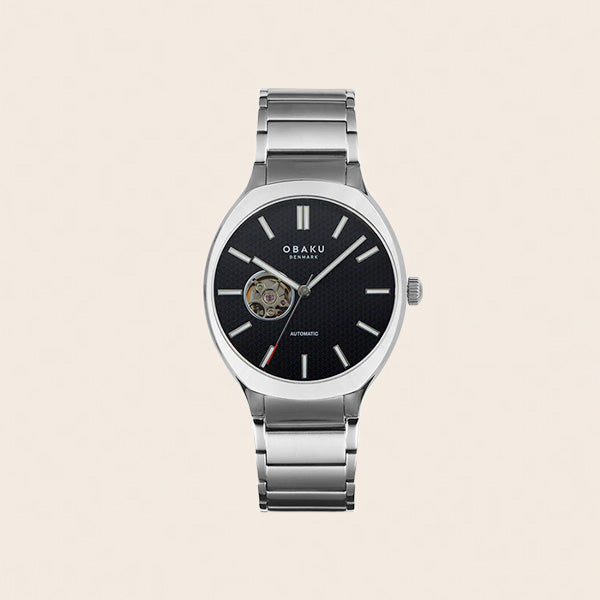
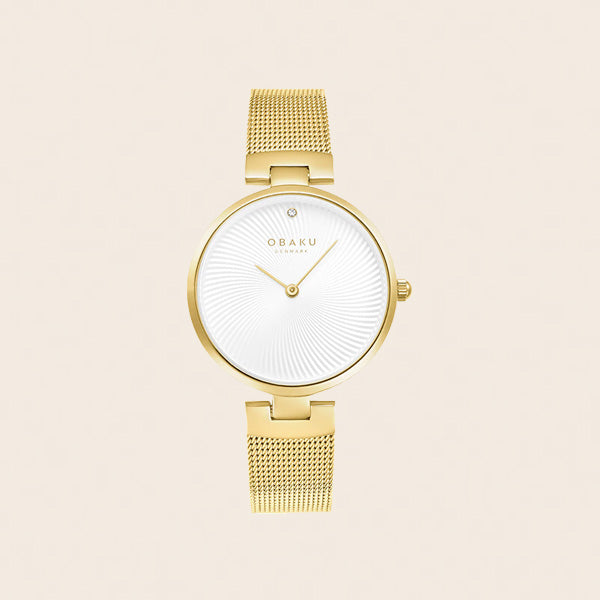
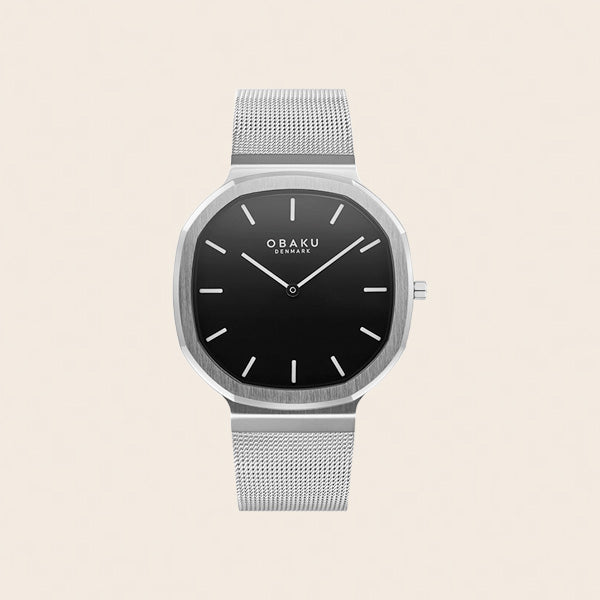
Obaku, a Danish watch brand, reflects this approach with a design language built around simplicity and timelessness rather than complexity for its own sake. Instead of elaborate dials or heavy cases, the focus is on proportion, legibility, and understated detail, which is a hallmark of Scandinavian watch craftsmanship and quality more broadly.
This is also why sapphire crystal features so often in well-made watches at this level. It's significantly more scratch-resistant than standard mineral glass, which means the watch face stays clear and legible for years, even with daily wear.
Finding a high-quality watch under $300
You don't need to spend thousands to own a well-crafted timepiece. Look for these details when shopping for a high-quality watch under $300:
-
Sapphire crystal for scratch resistance
-
Stainless steel or genuine leather components
-
A clear design philosophy, rather than a mix of unrelated trends
-
Transparent information about the movement type, whether automatic or quartz
A watch doesn't need a high price tag to reflect real craftsmanship. What matters is whether the materials, design, and construction were genuinely considered.
Wearing a piece of craftsmanship
A well-made watch is a daily reminder of what careful design and patient craftsmanship can produce. Whether you lean toward the mechanical complexity of an automatic movement or the clean reliability of quartz, understanding the work behind the watch changes how you wear it.
If minimalist, timeless design appeals to you, Danish watchmaking and brands like Obaku offer a good starting point for exploring what thoughtful, Scandinavian-inspired craftsmanship looks like on the wrist.
Frequently asked questions
What's the difference between horology and watchmaking?
Horology is the broader study of timekeeping, including clocks, sundials, and watches. Watchmaking is a specific discipline within horology focused on designing and assembling watches.
Is an automatic watch worth the extra maintenance?
It depends on what you value. If you appreciate mechanical engineering and don't mind occasional winding or wear, an automatic watch can be worth it. If low maintenance matters more, a quartz watch is a simpler choice.
Why do luxury watches cost more than regular ones?
Luxury watches typically cost more because of the materials used, the amount of hand-finishing involved, and the complexity of the movement. Brand heritage and design can also factor into price.
Can I find well-crafted watches at an affordable price?
Yes. Look for details like sapphire crystal, quality materials, and a clear design philosophy. Craftsmanship isn't limited to the highest price brackets.
What makes Scandinavian watch design distinct?
Scandinavian watch design, including Danish watchmaking, tends to favor minimalism, clean lines, and functional details over decorative complexity, prioritizing timelessness over trends.