
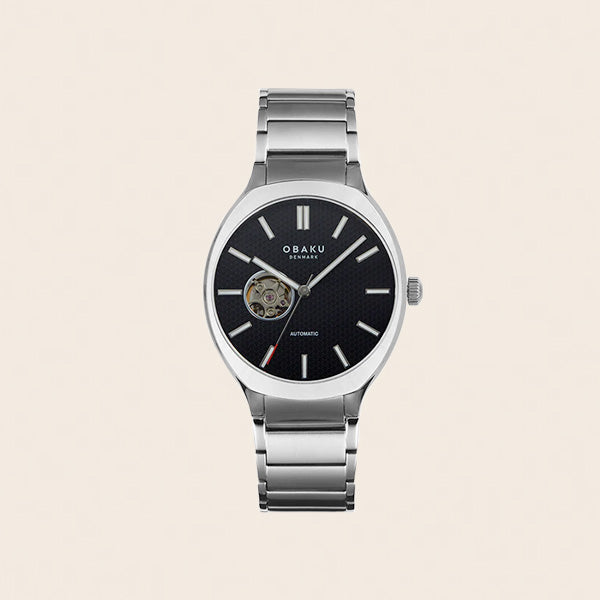
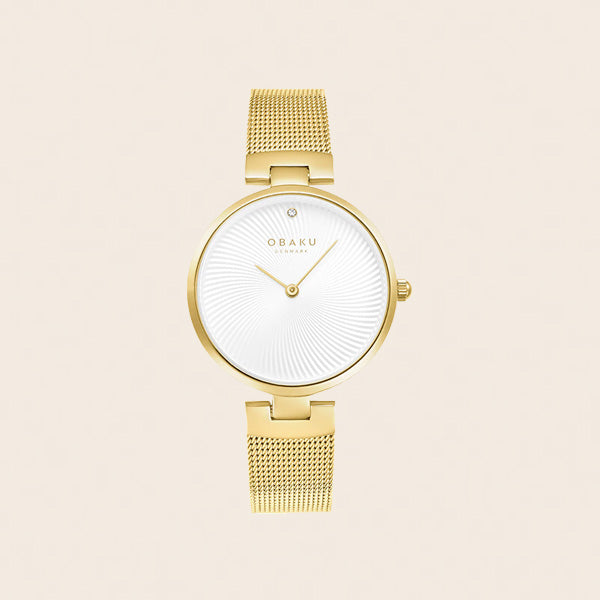
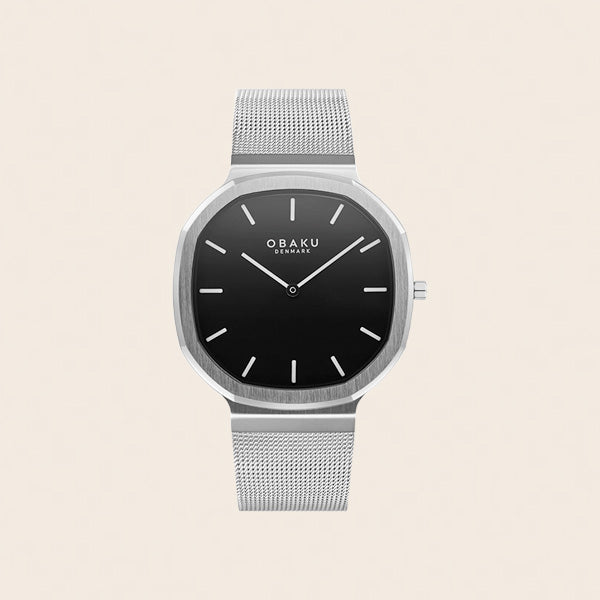

An Obaku watch begins as a simple sketch rooted in Danish design principles, then moves through careful material selection, prototyping, movement assembly, and rigorous quality testing. Each timepiece reflects a minimalist philosophy where every element serves a purpose, blending Scandinavian craftsmanship with calm, functional beauty before it ever reaches your wrist.
Most people slip on a watch without thinking about the months of work hidden behind the dial. Yet every Obaku timepiece carries a story that starts long before it's boxed and shipped. It begins with an idea, a pencil, and a deep respect for the Danish design tradition that shapes everything the brand makes.
In this post, we'll walk through the full watch design process at Obaku—from that first rough sketch to the moment the finished piece clasps around your wrist. You'll see how minimalist design philosophy guides each decision, why material choices matter, and what separates a handcrafted timepiece from a mass-produced one.
Whether you already own an Obaku watch or you're curious about how watches are designed in general, this behind-the-scenes look will give you a new appreciation for the craft on your wrist.
What is the philosophy behind Obaku watch design?
Obaku draws its name and spirit from Zen Buddhism, and that influence runs through every design choice. The brand follows a minimalist watch design philosophy built on calm, clarity, and balance. Nothing is added for decoration alone. If an element doesn't serve a purpose, it doesn't make the cut.
This is the heart of Danish watch design: simplicity that feels intentional, not empty. Clean lines, soft curves, and quiet color palettes create timepieces that feel timeless rather than trendy. The goal is a watch you'll still love a decade from now.
Scandinavian watch craftsmanship also values harmony between form and function. An Obaku watch should look beautiful, of course, but it must also be easy to read, comfortable to wear, and built to last. That balance shapes every step that follows.
How does the watch design process begin?
Every Obaku watch starts as a concept on paper. Designers sketch dozens of ideas, exploring proportions, dial layouts, and case shapes. This is the "from concept to creation" stage, where freedom matters most and almost nothing is off the table.
These early sketches focus on mood and feeling as much as measurements. What emotion should the watch carry? Should it feel light and airy, or grounded and bold? Designers ask these questions before a single dimension is locked in.
Once a sketch shows promise, it moves into digital design. Using detailed software, the team refines every line and curve. They map out how the hands will move, where the markers will sit, and how light will play across the dial. This stage turns a loose idea into a precise blueprint, ready for the next phase.
What materials go into an Obaku timepiece?
Material selection is where design meets durability. Obaku chooses each component with both beauty and longevity in mind. The wrong material can ruin an otherwise perfect design, so this step gets serious attention.
Common choices in the watchmaking process include:
-
Stainless steel for cases that resist corrosion and everyday wear
-
Genuine leather and mesh straps for comfort and a clean look
-
Mineral or sapphire crystal to protect the dial from scratches
-
Carefully matched finishes that keep colors soft and cohesive
The team also considers how materials feel against the skin and how they age over time. A handcrafted timepiece should look as good after years of wear as it did on day one. That long-term thinking guides every sourcing decision.
How is a watch prototyped and tested?
A design isn't real until you can hold it. The watch prototyping process turns the digital blueprint into a physical sample. This first prototype reveals things a screen never could—how the weight sits on the wrist, how the strap drapes, and whether the proportions truly work.
Designers often discover small flaws at this stage. A marker might sit a fraction too close to the edge. A case might feel slightly too thick. Each issue sends the design back for refinement, and the cycle repeats until the prototype feels exactly right.
Testing also covers function. The team checks water resistance, strap strength, and clasp security. They examine how the watch performs in different conditions. Only after a prototype passes these checks does it move toward production.
How is the watch movement assembled?
The movement is the engine of any watch, and movement assembly is one of the most delicate watch manufacturing steps. Inside even a slim Obaku case sits a network of tiny gears, springs, and components that must work in perfect sync.
Skilled hands fit these parts together with extreme precision. A speck of dust or a slightly misaligned gear can throw off accuracy, so this work happens in clean, controlled conditions. The movement is then placed into the case, connected to the hands, and sealed.
After assembly, each watch is timed and adjusted to keep accurate time. This attention to the inner workings is a quiet but essential part of watch craftsmanship—the kind of detail you never see but always feel through reliable performance.
What are the final steps before a watch ships?
Before any Obaku watch leaves the workshop, it goes through a final round of quality control. Inspectors check the dial for alignment, the case for blemishes, and the strap for stitching faults. Nothing reaches a customer until it meets the brand's standards.
The watch is then cleaned, polished, and packaged with care. This last stage matters more than people realize. Unboxing a watch is part of the experience, so presentation gets the same thoughtful treatment as the design itself.
From the first sketch to this final inspection, each timepiece passes through many hands and many checks. That journey is what turns raw materials into a finished piece worthy of your wrist.
Why does the watchmaking process matter to you?
Understanding how a watch is made changes the way you wear it. A timepiece is no longer just an object that tells time—it's the result of careful thought, honest materials, and genuine craftsmanship. Knowing the story behind it deepens the connection.
For Obaku, the process reflects a clear belief: good design should feel effortless, even when the work behind it is anything but. Every sketch, prototype, and inspection serves that goal. The result is a watch that fits quietly into your life and stays there for years.
Next time you fasten an Obaku watch, take a moment to appreciate the journey it made. To explore the full collection and find a piece that suits your style, browse the Obaku range and discover the design philosophy in person.
Frequently asked questions
How long does it take to design and make a watch?
The full journey from concept to finished watch can take many months. The design and prototyping stages alone often involve several rounds of refinement, followed by careful movement assembly and quality testing. The exact timeline depends on the complexity of the design.
What makes Danish watch design different?
Danish watch design is known for minimalism, clean lines, and functional beauty. It favors simplicity over decoration, with every element serving a clear purpose. This Scandinavian craftsmanship results in timepieces that feel calm, timeless, and easy to wear.
What is a watch prototype, and why is it important?
A watch prototype is the first physical sample built from a digital design. It lets designers test the feel, weight, and proportions of a watch in real life. Prototypes reveal flaws that screens can't show, so they're essential for refining the final product.
Are Obaku watches handcrafted?
Obaku timepieces involve significant hands-on craftsmanship, especially during movement assembly and final quality control. Skilled workers fit delicate components, inspect each piece, and ensure every watch meets the brand's standards before it ships.
What is the minimalist watch design philosophy?
Minimalist watch design focuses on simplicity, clarity, and purpose. It removes unnecessary details, leaving only the essential elements. For Obaku, this philosophy is rooted in calm, balance, and the belief that good design should feel effortless.