


The apparel and accessories industry is undergoing a massive transformation. Consumers are no longer satisfied with buying items that look good for a single season before falling apart. They want transparency, ethical production, and materials that do not harm the planet. This shift is fundamentally changing how clothing and accessories are designed, manufactured, and consumed.
Understanding the future of sustainable fashion requires looking past temporary fads and focusing on long-term systemic changes. Brands are rethinking their entire supply chains to reduce waste and carbon emissions. Shoppers are actively seeking out companies that align with their personal values, demanding accountability from the names they wear every day.
By examining current fashion sustainability trends, we can see exactly where the industry is heading. From breakthrough materials to entirely new business models, the eco-friendly fashion future is already taking shape. This post highlights the biggest upcoming trends and shows how innovative companies, including Obaku, are paving the way forward.
Key Sustainable Fashion Trends to Watch
The movement toward an ethical fashion future is being driven by several major innovations. These trends are moving the industry away from a disposable mindset and toward a more responsible fashion future.
The Rise of the Circular Fashion Economy
For decades, the standard manufacturing model was linear: take, make, and dispose. The circular fashion economy flips this concept entirely. Instead of throwing items away, brands and consumers are finding ways to keep resources in use for as long as possible.
This model relies heavily on recycling, upcycling, and designing products that can be easily disassembled at the end of their lifespan. Sustainable clothing trends now heavily feature take-back programs, where shoppers return worn-out items to the brand to be remade into new garments. This loop minimizes landfill waste and drastically reduces the need for virgin raw materials.
Breakthroughs in Sustainable Materials Fashion
Green fashion innovation is perhaps most visible in the fabrics and components designers are now using. The reliance on resource-heavy cotton and petroleum-based plastics is fading. Instead, researchers are developing next-generation textiles that offer high performance without environmental degradation.
Expect to see a massive increase in plant-based alternatives, such as leather made from apple peels, pineapple leaves, or mushroom mycelium. Innovation in sustainable fashion also includes fabrics spun from recycled ocean plastics and biodegradable algae. Using environmentally friendly fashion materials ensures that products leave a minimal footprint from the moment they are created to the end of their life cycle.
Embracing a Slow Fashion Future
The relentless pace of micro-seasons is finally facing serious pushback. A slow fashion future encourages consumers to buy fewer items, focusing on high-quality pieces that offer timeless appeal and incredible durability.
This mindset shift is forcing brands to focus on craftsmanship rather than rapid mass production. By creating versatile pieces that withstand years of wear, companies reduce the overall volume of goods produced. Shoppers benefit by building curated, reliable wardrobes that save them money over time while significantly reducing their personal environmental impact.
How Obaku is Leading the Green Movement
Achieving a truly sustainable industry requires eco-conscious fashion brands to step up and lead by example. Obaku has embraced this challenge, proving that elegance and environmental responsibility can coexist perfectly.
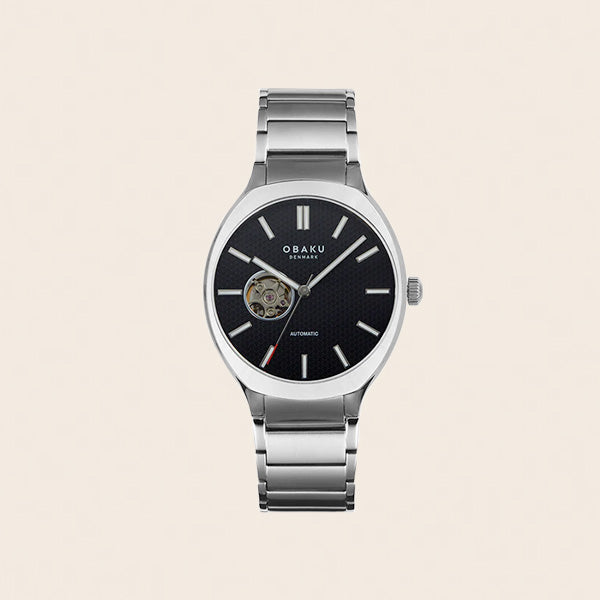
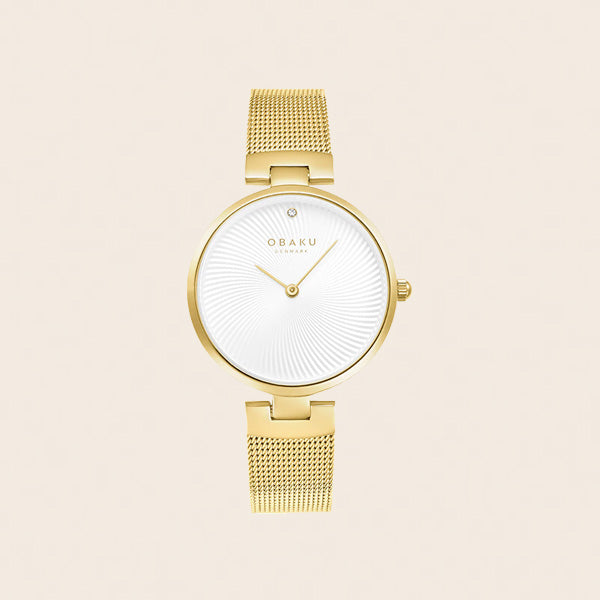
Through the creation of Obaku sustainable watches, the brand demonstrates a deep commitment to the planet. These timepieces are crafted with a focus on longevity, utilizing durable materials that resist wear and tear. Obaku’s design philosophy is rooted in minimalism, which inherently rejects the fast-fashion cycle. A watch designed with timeless aesthetics will never go out of style, making it a perfect staple for a slow fashion wardrobe.
Furthermore, Obaku actively explores sustainable materials fashion, looking for innovative ways to reduce the ecological footprint of their manufacturing processes. By prioritizing ethical production methods and high-quality craftsmanship, Obaku stands out as a prime example of what the future of the industry should look like.
Building a Wardrobe for Tomorrow
The future of sustainable fashion is bright, but it requires active participation from both brands and consumers. By supporting companies that champion a circular economy, invest in green materials, and promote slow fashion principles, you can help drive this positive change.
Start by evaluating your own purchasing habits. Look for items that offer longevity, and research the supply chains of your favorite brands. If you are ready to invest in accessories that match your values, explore the collection of Obaku sustainable watches today and take a step toward a greener, more stylish future.

