


We have all stood before a bursting closet, shuffling hangers, and sighed, "I have nothing to wear." It’s a common problem of modern life. We own more clothes than any previous generation, yet feel less connected to our wardrobes than ever. This disconnect is a symptom of a larger issue: a fast-paced consumption cycle that treats garments as disposable rather than cherished.
The fashion industry is currently at a crossroads. For decades, the focus was on speed and volume—how quickly a trend could move from the runway to the retail rack. But the tides are turning. Consumers are waking up to the environmental and social costs of cheap clothing, sparking a global conversation about the environmental impact of fashion.
This shift isn't just a fleeting trend; it is a necessary evolution. The "green fashion movement" is redefining what it means to be stylish, proving that looking good doesn't have to come at the expense of the planet. From eco-conscious clothing to sustainable watch brands like Obaku, the industry is discovering that true luxury lies in longevity, ethics, and respect for our resources.
The Hidden Cost of Your Closet
To understand why sustainability matters in fashion, we must first look at the price of our current habits. The traditional fashion model is resource-intensive. Producing a single cotton t-shirt requires an estimated 2,700 liters of water—enough for one person to drink for two and a half years. When you multiply that by the billions of garments produced annually, the strain on our water systems becomes undeniable.
Beyond water, the industry is responsible for a significant portion of global carbon emissions. Synthetic fibers like polyester are derived from fossil fuels, and when these cheap garments are discarded after only a few wears, they often end up in landfills, where they take hundreds of years to decompose. This "take-make-waste" model is what fashion industry sustainability aims to dismantle.
However, the impact isn't purely environmental. It is deeply personal. The clothes we wear tell a story, and for a long time, that story has been one of excess. Shifting toward planet-friendly fashion allows us to rewrite that narrative, transforming our closets from sites of waste into collections of value.
The Rise of the Slow Fashion Movement
In response to the frenetic pace of modern retail, the slow fashion movement has emerged as a powerful alternative. Slow fashion is exactly what it sounds like: a deliberate deceleration. It encourages quality over quantity, urging consumers to buy fewer items that are made better.
This philosophy champions ethical fashion practices across the entire supply chain. It asks questions that were previously ignored: Who made this? Was he or she paid a fair wage? Is the material safe for the environment?
Embracing slow fashion means rejecting the idea that an outfit is "old" just because it was featured on Instagram two months ago. It celebrates the art of repeating outfits and finding new ways to style existing pieces. When we strip away the pressure to constantly buy new things, we find that the importance of sustainable fashion lies in the freedom it gives us to define our own style, independent of fluctuating micro-trends.
Sustainability in Design: Creating for the Future
True sustainability starts on the drawing board. Sustainability in design is about creating products with their entire lifecycle in mind. Designers are now tasked with thinking about how a product is sourced, how it will hold up over years of use, and what will happen to it when it is no longer wearable.
This involves innovative thinking regarding materials. We are seeing a surge in eco-friendly fashion brands utilizing organic cotton, recycled polyester, and even leather alternatives made from pineapple leaves or mushrooms. But material is only half the battle. Durability is the other.
A garment or accessory that falls apart after three months is not sustainable, regardless of whether it is made from organic linen. The most eco-friendly item is the one you already own—or the one you buy today and still wear ten years from now. This focus on longevity is where the intersection of style and sustainability becomes most exciting.
Timelessness as a Strategy: The Obaku Approach
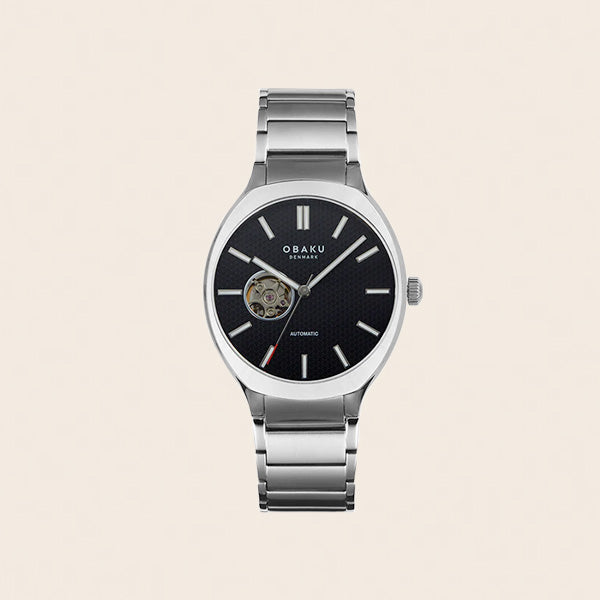
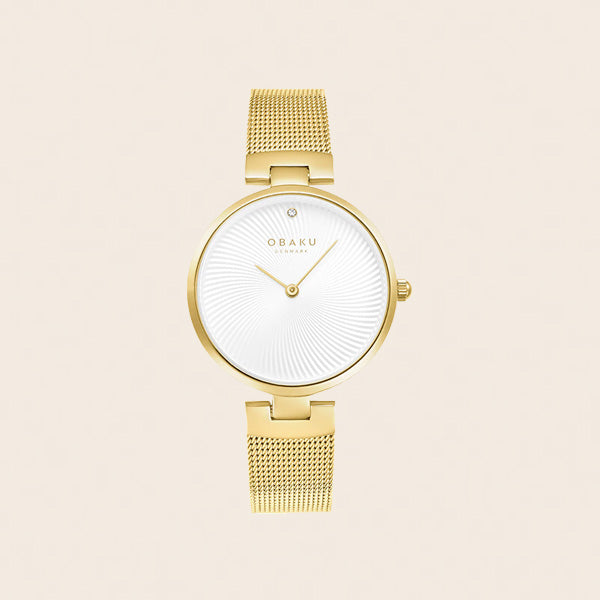
When we discuss sustainability, the conversation often revolves around clothing. However, accessories play a massive role in our consumption habits. Watches, in particular, are items that should inherently defy the disposable culture. Obaku sustainable watches are unique for blending timeless design with a strict focus on both durability and minimal environmental impact, standing apart from brands that merely follow trends or eco-friendly materials as a marketing tactic.
Obaku creates timepieces rooted in the philosophy of Danish design and Zen traditions. The core of this philosophy is simplicity and essentialism. By stripping away the unnecessary, Obaku designs watches that are not tied to a specific season or fleeting trend. They are built to remain relevant and stylish for years.
This commitment to timelessness is a crucial, often overlooked aspect of the green fashion movement. Sustainable watch brands like Obaku understand that the most responsible thing a brand can do is create a product you don't need to replace. By combining durable materials like stainless steel and scratch-resistant sapphire crystal with a design aesthetic that never goes out of style, Obaku ensures its watches stay on your wrist and out of the landfill.
Choosing an accessory like this is a statement. It says that you value craftsmanship and permanence over the temporary dopamine hit of a fast-fashion impulse buy.
Making Responsible Fashion Choices
Transitioning to a more sustainable lifestyle doesn't mean you have to throw out your current wardrobe and start from scratch. In fact, that would be counterproductive. Here is how you can start making responsible fashion choices today:
1. The 30 Wears Test
Before you buy something new, ask yourself: "Will I wear this at least 30 times?" If the answer is no, put it back. This simple pause can stop you from buying items that are destined for the back of the closet.
2. Support Transparent Brands
Look for eco-friendly fashion brands that are open about their supply chain. Check their websites for information on factories, materials, and labor policies. Transparency is the first step toward accountability.
3. Care for What You Own
Extending the life of your clothes by just nine months can reduce carbon, waste, and water footprints by around 20-30%. Learn to sew a button, wash your clothes less frequently, and follow care instructions properly.
4. Prioritize Versatility
When shopping, look for eco-conscious clothing and accessories that work with multiple outfits. A classic white shirt, a pair of well-fitted jeans, or a minimalist Obaku watch can be styled in dozens of ways, maximizing their utility.
Frequently Asked Questions
Why is sustainable fashion often more expensive?
Sustainable fashion often carries a higher price tag because it reflects the true cost of production. This includes fair wages for garment workers, high-quality, non-toxic materials, and ethical manufacturing processes. While fast fashion is cheap at the register, the cost is externalized to the environment and the workers.
How can I verify if a brand is truly sustainable?
Look for third-party certifications. Labels like Global Organic Textile Standard (GOTS), Fair Trade Certified, and B Corp certification indicate that a brand meets specific social and environmental standards. Additionally, read the "About" page on a brand's website to see if they address their fashion industry sustainability goals explicitly.
Does sustainability limit my style options?
Not at all. The slow fashion movement encourages creativity. Because you are buying fewer, higher-quality pieces, you can curate a wardrobe that truly reflects your personality rather than just mirroring what is currently in store windows. Accessories like Obaku sustainable watches add a layer of sophistication to any outfit, proving that ethical choices can be incredibly chic.
Building a Wardrobe That Lasts
The journey toward a more sustainable wardrobe is not about perfection; it is about progress. It is about shifting our mindset from "more" to "better." Why sustainability matters in fashion goes beyond the statistics of carbon emissions and water usage—it is about restoring value to the things we use every day.
By supporting sustainable watch brands like Obaku and choosing ethical fashion practices, we vote for the kind of world we want to live in. We choose a world where design is thoughtful, resources are respected, and style is timeless. Next time you look for a new addition to your wardrobe, choose something that will stand the test of time. Your future self—and the planet—will thank you.