
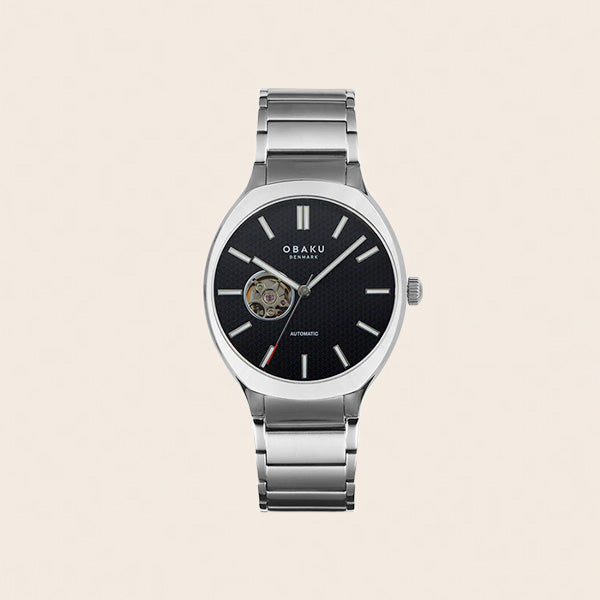
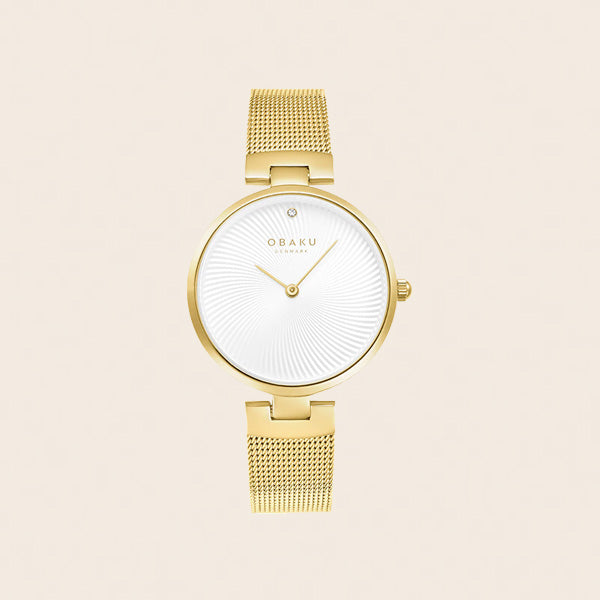
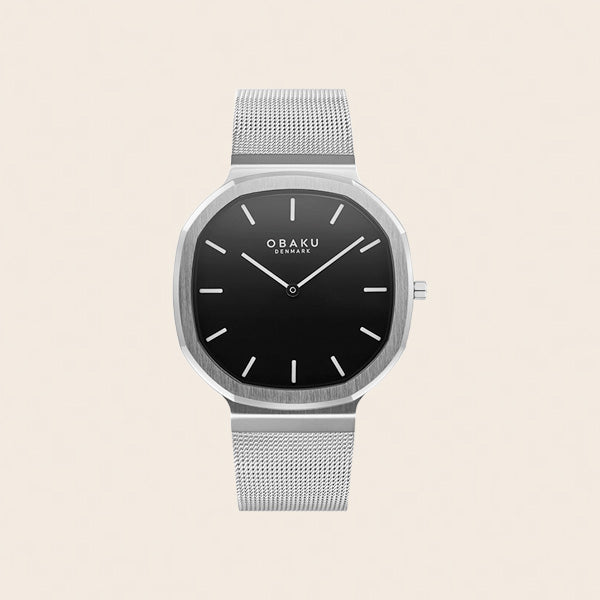

Living a minimalist lifestyle means owning less, choosing quality over quantity, and being intentional with your time and possessions. Start small by decluttering one area at a time, investing in versatile items like an Obaku minimalist watch, and questioning every purchase before you make it. The result is less stress, more clarity, and more room for what actually matters.
Minimalism isn't about giving up everything you own and living out of a single backpack. It's a mindset shift—one that asks you to slow down and ask a simple question before every purchase or commitment: does this add real value to my life?
For many people, the appeal of minimalist living starts with a cluttered closet or an overflowing junk drawer. But once you start decluttering your physical space, you'll likely notice the effects rippling into other parts of your life—your finances, your mental health, and even how you spend your time.
This guide breaks down practical, beginner-friendly tips for adopting a minimalist lifestyle, along with a bit of inspiration from Obaku, the Danish watch brand built entirely around the philosophy of "less is more."
What is a minimalist lifestyle, exactly?
A minimalist lifestyle is a deliberate choice to reduce excess—in your home, your schedule, and your spending habits—so you can focus on what genuinely matters to you. It's not a strict rulebook. Some minimalists own 100 items; others own 1,000. The number isn't the point. Intentionality is.
Obaku captures this philosophy well. Rather than designing watches loaded with unnecessary features, the brand focuses on clean lines, simple faces, and timeless design. Every element serves a purpose. That's the essence of minimalism: nothing extra, nothing wasted.
What are the benefits of minimalist living?
Before diving into the how-to, it helps to understand why so many people are drawn to this lifestyle in the first place.
-
Less stress, more mental clarity. A cluttered space often leads to a cluttered mind. Removing physical excess can reduce anxiety and improve focus.
-
More financial freedom. Buying less means spending less, which frees up money for experiences, savings, or debt repayment.
-
Better decision-making. With fewer choices to make each day, from what to wear to what to buy, you conserve mental energy for decisions that matter more.
-
A lighter environmental footprint. Overconsumption drives waste. Buying fewer, better-made items naturally reduces your impact.
Minimalism and mental health are closely linked. Studies on materialism consistently show that the constant pursuit of more possessions is associated with lower life satisfaction, while intentional, values-based living tends to support greater well-being.
How do you start decluttering your life?
Decluttering is often the first, most visible step toward minimalism. Here's how to approach it without feeling overwhelmed:
Start with one category, not one room
Instead of tackling "the bedroom" or "the garage," start with a category: clothes, books, kitchen tools, or cords and cables. This makes it easier to compare like items and decide what to keep.
Use the one-year rule
If you haven't used or worn something in the past year, it's a strong candidate for donation or resale. Exceptions apply for sentimental or seasonal items, but this rule cuts through most indecision quickly.
Ask better questions
Rather than asking "might I need this someday?" ask "does this add value to my life right now?" The shift in framing makes it easier to let go of items you're keeping out of guilt rather than genuine use.
What does a minimalist wardrobe look like?
A minimalist wardrobe doesn't mean owning five gray t-shirts. It means building a closet full of versatile, well-made pieces that mix and match easily.
-
Choose a simple color palette so everything pairs well together.
-
Prioritize quality fabrics that last longer and wear better over time.
-
Limit trend-driven purchases in favor of timeless staples.
-
Apply the same logic to accessories. A single, well-crafted piece—like an Obaku minimalist watch—can replace a drawer full of trend-based options, because its clean design pairs with almost anything.
This is where the "quality over quantity" lifestyle really shows its value. One durable, thoughtfully designed item often serves you longer and better than several cheaper alternatives.
How do you stop overconsuming?
Overconsumption is often driven by habit, not need. Breaking the cycle takes a few intentional shifts:
-
Implement a waiting period. Wait 24 to 48 hours before making a non-essential purchase. Impulse buys rarely survive this pause.
-
Unsubscribe from marketing emails. Constant exposure to sales and new arrivals fuels desire for things you didn't know you wanted.
-
Set a one-in, one-out rule. For every new item you bring home, let go of one you already own.
-
Track your spending by category. Awareness alone often reduces unnecessary purchases.
How can you simplify your daily routine?
Minimalism extends beyond physical belongings. It applies to how you structure your day, too.
-
Simplify your mornings. Lay out clothes the night before, keep breakfast options simple, and limit the number of decisions you make before 9 a.m.
-
Batch similar tasks. Group errands, emails, or meetings together instead of scattering them throughout the day.
-
Choose fewer, better commitments. Say yes to fewer obligations so you have the time and energy to do them well.
How do you become more intentional with your time?
Time is arguably the most valuable resource, yet it's often the least protected. To live intentionally:
-
Audit your calendar monthly. Remove recurring commitments that no longer serve you.
-
Protect focus blocks. Dedicate uninterrupted time to work or hobbies that matter most.
-
Limit passive scrolling. Replace idle screen time with activities that align with your values, whether that's reading, exercising, or spending time with people you care about.
What are simple ways to bring minimalism into your home?
You don't need to renovate your entire house to embrace minimalist living. Small, intentional changes go a long way:
-
Clear countertops and surfaces of items you don't use daily.
-
Choose furniture that serves multiple purposes, especially in smaller spaces.
-
Display only a few meaningful decor pieces instead of filling every shelf.
-
Store seasonal items out of sight to keep everyday spaces feeling open.
Start small, stay consistent
Minimalism isn't a weekend project. It's an ongoing practice of choosing quality over quantity, questioning your habits, and creating space—physically and mentally—for what matters most.
Start with one drawer, one habit, or one purchase decision. Over time, these small choices compound into a lifestyle defined by clarity rather than clutter. And as brands like Obaku prove, simplicity doesn't mean sacrificing style. Sometimes, less really is more.
Frequently asked questions
How do I start living a minimalist lifestyle if I feel overwhelmed?
Begin with one small area, like a junk drawer or a single clothing category. Small wins build momentum and make the process feel manageable rather than overwhelming.
Does minimalism mean I have to get rid of everything I own?
No. Minimalism isn't about owning as little as possible. It's about owning items that add genuine value to your life, whether that number is 50 or 500.
How long does it take to see the benefits of minimalist living?
Many people notice reduced stress and clearer thinking within a few weeks of decluttering their space, though the full lifestyle shift often develops over several months.
Is minimalism expensive to start?
Not necessarily. Minimalism often saves money by reducing impulse purchases. The "quality over quantity" approach may mean spending more on individual items, but you'll buy far less overall.
Who is minimalist living best suited for?
Minimalism works well for anyone feeling overwhelmed by clutter, overspending, or overcommitment. It's especially useful for people seeking more financial freedom or mental clarity in their daily lives.