
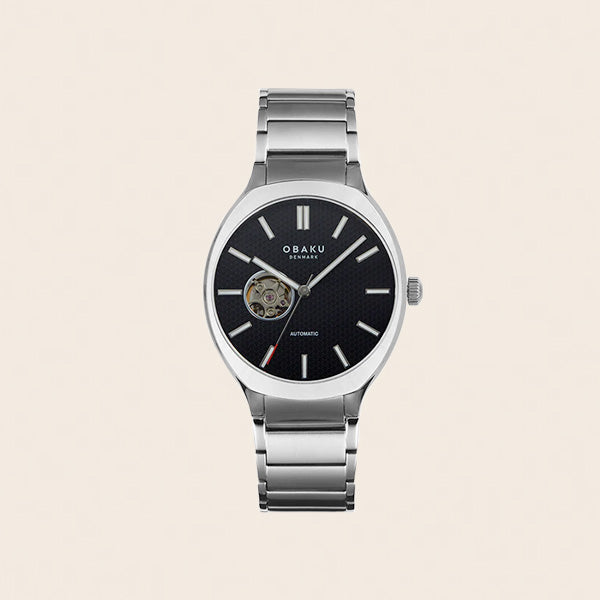
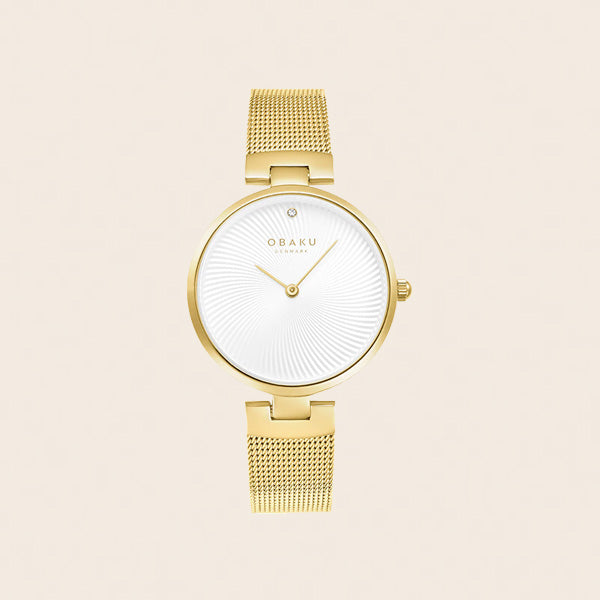
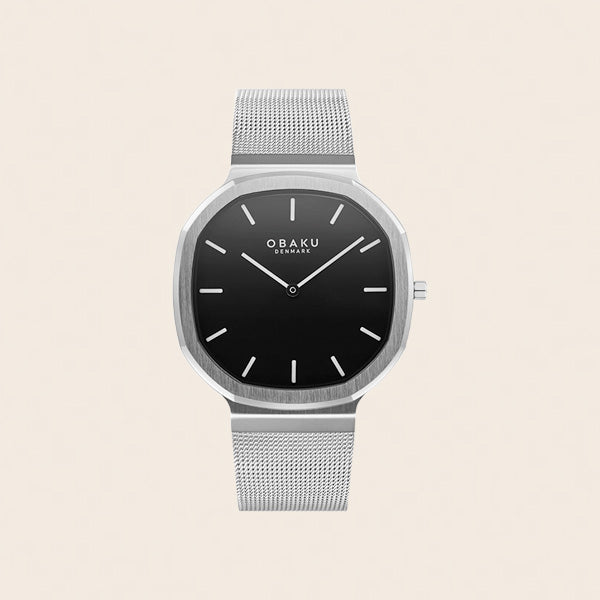

A high-quality watch can be identified by examining its movement type, case materials, crystal clarity, finishing, and brand transparency. Key indicators include sapphire crystal glass, stainless steel construction, a smooth mechanical or quality quartz movement, and a solid warranty. Brands like Obaku demonstrate that well-made watches don't have to cost a fortune.
You don't need to spend thousands to own a well-made timepiece. But you do need to know what to look for—because the difference between a quality watch and a cheap one isn't always obvious at first glance.
The watch market is enormous and, frankly, noisy. Brands compete on aesthetics, price, and marketing. Some deliver on their promises. Many don't. For most buyers, especially those shopping in the $100–$500 range, the challenge is cutting through the noise and identifying what actually makes a watch worth wearing every day.
This guide breaks down the key signs of a well-made watch—from the crystal and case to the movement and finishing—so you can shop with confidence. Along the way, Obaku, a Danish minimalist watch brand, serves as a practical example of how quality craftsmanship shows up in real-world design.
What Makes a Watch High Quality? The Five Core Elements
Before getting into specifics, it helps to understand what watchmakers and enthusiasts actually evaluate when judging a timepiece. Quality comes down to five areas: the movement, the crystal, the case material, the finishing, and the brand's transparency. Miss any one of these, and you risk buying a watch that looks good in photos but disappoints in real life.
How to Evaluate Watch Movement Quality
The movement is the engine inside a watch. Everything else—the dial, the hands, the case—is essentially packaging around it. So if you want to know how to tell a good watch from a cheap one, start here.
There are two broad categories:
Quartz movements use a battery to send electrical pulses through a quartz crystal, regulating timekeeping. They're highly accurate, low-maintenance, and affordable. A quality quartz movement from a reputable manufacturer like Miyota or Ronda will keep time to within ±15 seconds per month.
Mechanical movements—both manual and automatic—are powered by a wound spring. They're more complex, more expensive to produce, and beloved by enthusiasts for their craftsmanship. A well-regulated mechanical movement typically keeps time to within ±10–25 seconds per day, depending on the caliber.
For buyers shopping in the $150–$400 range, a Swiss or Japanese quartz movement is a strong signal of quality. Obaku, for instance, uses Japanese Citizen Miyota movements across most of its collection—a reliable, widely respected choice that keeps time accurately and requires minimal servicing.
What to avoid: generic, unbranded quartz movements with no listed specifications. These are common in fast-fashion watches and often have shorter lifespans and less consistent accuracy.
Why Sapphire Crystal Is the Gold Standard for Watch Glasses
The crystal—the transparent cover over the dial—gets more daily abuse than almost any other part of a watch. It knocks against desks, doorframes, and countertops. Over time, lesser materials show the damage.
There are three main types of watch crystal:
-
Acrylic (plastic): Cheap, lightweight, and scratches easily. Common in very low-cost watches.
-
Mineral glass: Harder than acrylic and more scratch-resistant, but still vulnerable to sharp impacts.
-
Sapphire crystal: The premium choice. Sapphire rates 9 on the Mohs hardness scale (diamonds are 10), making it highly scratch-resistant and far more durable than the alternatives.
The benefits of sapphire crystal go beyond durability. Sapphire is also optically clear, giving the dial a crisp, sharp appearance. It's one of the most reliable indicators that a brand has invested in material quality.
Obaku uses sapphire crystal across its watch range—notable at its price point, where many competitors cut costs by using mineral glass instead.
A quick test: tilt the crystal under light. High-quality anti-reflective coatings on sapphire will produce a faint blue or purple tint. This coating reduces glare and improves legibility, and it's a detail that budget watches rarely include.
Stainless Steel Watch Durability: Why Case Material Matters
The case holds everything together—and it takes a beating. A high-quality watch case should be corrosion-resistant, solid, and finished to a consistent standard.
316L stainless steel is the benchmark material for quality watch cases. It's hypoallergenic, resistant to corrosion and tarnishing, and significantly more durable than zinc alloy or chrome-plated brass, which are commonly used in lower-cost watches. Over time, cheaper alloys can discolor, flake, or cause skin irritation.
You can often tell a lot by simply holding a watch. A stainless steel case has a solid weight and density that zinc alloy cases can't replicate. This isn't about heavy watches being better—it's about the material having substance.
Obaku builds its cases from 316L stainless steel, which is worth noting because many watches at similar price points use cheaper alloys with a polished finish designed to mimic steel. The difference becomes apparent after months of daily wear.
Also check the crown and caseback. On a quality watch, the crown (the knob used to set the time) should operate smoothly and click firmly into position. A loose or gritty crown is a sign of poor tolerances. The caseback should screw or snap firmly into place—inspect it for clean engravings and flush edges.
How to Evaluate Watch Craftsmanship Through Finishing
Watch finishing is the art of how a case and bracelet are treated—and it's one of the clearest ways to evaluate watch craftsmanship up close. There are two main finishing techniques:
-
Polished finishing: Creates a mirror-like, reflective surface
-
Brushed (satin) finishing: Creates a matte, directional texture
High-quality watches typically combine both. A polished bezel alongside brushed case sides, for example, shows deliberate design and manufacturing precision. The transitions between polished and brushed surfaces should be crisp and clean.
On a cheap watch, finishing tends to be uniform—either fully polished or roughly brushed—with uneven edges and visible tooling marks.
Obaku's aesthetic is rooted in Danish minimalism, which places a premium on clean lines and intentional design. The brand's watches typically feature a combination of polished and brushed surfaces, with dials that are uncluttered by unnecessary detail. That restraint is harder to execute well than it looks—it leaves nowhere to hide manufacturing flaws.
Other finishing details to inspect:
-
Indices and hands: Should be evenly applied and centered, with consistent lume (if present) across all hour markers.
-
Dial printing: Text and logos should be sharp-edged, not blurry or smudged.
-
Bracelet links: Should align flush with no visible gaps or rattling when shaken.
What to Look for When Buying a Watch: Brand Transparency and Warranty
A warranty is more than a piece of paper. It's a signal of how much confidence a brand has in its own product. A company that offers a two-year or longer warranty on a watch is telling you they expect it to last.
Obaku backs its watches with a two-year international warranty—standard for the segment, but meaningful when many lower-cost brands offer 12 months or less, with limited support.
Beyond warranty length, look for:
-
Listed movement specifications: Any reputable brand should disclose the movement they use. If a brand's product page doesn't mention the movement, that's a red flag.
-
Accessible customer support: Can you reach a real person if something goes wrong? Quality brands have clear service and repair processes.
-
Country of design and manufacture: Not all watches made in China are low quality, and not all Swiss watches are worth the premium. But knowing where a watch is designed and assembled helps you contextualize the price.
Can You Find a Quality Watch Under $200?
Yes—but you need to be selective. At this price point, some trade-offs are inevitable. Mechanical movements are largely off the table. But a watch with a Japanese quartz movement, sapphire crystal, stainless steel case, and solid finishing can absolutely be found for under $200.
Obaku operates primarily in the $100–$250 range and consistently hits these benchmarks. For buyers who want clean, wearable design with genuine material quality—without the prestige markup of Swiss luxury brands—it's a strong example of what's achievable at accessible price points.
The key is knowing which compromises matter and which don't. Sapphire over mineral glass matters. Stainless steel over zinc alloy matters. A branded movement with documented specs matters. Branded packaging and a glossy campaign? Much less so.
Final Thoughts: Shop Smart, Wear Well
Buying a quality watch doesn't require expertise or a large budget. It requires knowing what to examine. Check the movement brand and type. Look closely at the crystal. Hold the case and feel its weight. Inspect the finishing for sharp transitions and clean detail. And read the warranty terms.
These aren't insider secrets—they're the same criteria that experienced collectors use, applied practically. Brands like Obaku show that thoughtful design and quality materials can coexist with an accessible price point when a brand prioritizes substance over spectacle.
The next time you're evaluating a watch, flip it over, tilt it toward the light, and look closely at the edges. What you find will tell you more than any marketing campaign ever could.
Frequently Asked Questions
What is the most important factor in determining watch quality?
The movement is the most critical component. A watch with a reputable quartz or mechanical movement from a named manufacturer—such as Miyota, ETA, or Ronda—will perform more reliably and last longer than one with an unbranded generic movement. After the movement, crystal type and case material are the next most important factors.
How can I tell if a watch uses sapphire crystal?
Tilt the crystal under a light source. Sapphire with an anti-reflective coating will produce a faint blue or purple tint. You can also try the scratch test: run a sharp metal edge lightly across an inconspicuous area. Sapphire will resist scratching far better than mineral glass or acrylic.
Is a heavier watch always higher quality?
Not necessarily, but case material contributes to weight. Stainless steel cases feel denser and more substantial than zinc alloy cases. If a watch feels unusually light for its size, it may be made from lower-grade materials.
What does brushed finishing mean on a watch, and why does it matter?
Brushed finishing refers to a matte, directional texture applied to metal surfaces through an abrasive process. High-quality watches often combine brushed and polished surfaces, with clean, precise transitions between them. This combination indicates skilled manufacturing and intentional design.
Are Obaku watches considered high quality?
Obaku watches consistently feature sapphire crystal, 316L stainless steel cases, and Japanese Citizen Miyota movements—benchmarks typically associated with watches at higher price points. The brand's Danish minimalist design ethos also means fewer elements to hide manufacturing inconsistencies, making the overall build quality more transparent to buyers.
How long should a quality watch last?
A well-maintained watch with a quality quartz movement can last 10–20 years or more with basic battery replacements every 2–3 years. Mechanical watches can last generations with periodic servicing every 3–5 years. A two-year or longer warranty is a reasonable baseline expectation for any quality timepiece.
What are the biggest red flags when buying a watch?
Unbranded or unlisted movements, mineral or acrylic crystal marketed as sapphire, vague country-of-origin claims, warranties shorter than 12 months, and poor-quality finishing with uneven edges or misaligned indices are all warning signs of a low-quality watch.

