

For centuries, the concept of a watch was relatively static. It was a mechanical marvel of gears, springs, and escapements designed to do one thing: tell time. It was an accessory of status and a tool for navigation, but its utility ended at the movement of the hands.
That era is over. The last decade has ushered in a period of digital transformation in watches that rivals the Quartz Crisis of the 1970s. We are no longer just wearing timepieces; we are wearing computers, health monitors, and communication hubs.
However, the story of how tech is changing watches isn't just about sticking a touchscreen on a wrist. It is a nuanced tale of material science, manufacturing precision, and a complete rethinking of what a watch provides to its wearer. From high-end luxury innovations to accessible smart features, technology has rewired the industry's DNA.
The Explosion of Smart Watch Innovations
The most obvious shift is the wearable technology evolution. When tech giants entered the horology space, they didn't just compete with traditional watchmakers; they changed consumer behavior.
Smartwatch innovations have moved beyond simple notification mirroring. Today, these devices are sophisticated health clinics on the wrist. Sensors can now measure blood oxygen levels, take electrocardiograms (ECGs), and detect falls. This shift towards health and wellness has made the watch an essential utility for survival, rather than just a convenience.
This connectivity has forced a change in how we view "advanced watch functions." We now expect our wristwear to pay for groceries via NFC, unlock our cars, and stream music without a phone nearby. The integration of eSIM technology means the watch is finally becoming a standalone device, untethering users from their smartphones entirely.
The Rise of Smart Analog Watches
Not everyone wants a glowing screen on their wrist. There remains a massive demographic of people who appreciate the aesthetic of a traditional dial but crave the utility of modern connectivity. Enter the hybrid.
Smart analog watches represent a bridge between the old world and the new. To the naked eye, they look like classic timepieces with physical hands and indices. Under the hood, however, they are packed with connected watch tech.
Hybrid watch features allow users to track steps, monitor sleep, and receive haptic notifications for calls or texts. The genius lies in the subtlety. By integrating Bluetooth connectivity into a traditional quartz movement, brands can offer battery life measured in months or years, rather than days. This sector of watch technology trends appeals to the professional who needs to stay connected during a meeting but doesn't want to appear distracted by a digital screen.
Modern Watchmaking Tech and Manufacturing
While smartwatches grab the headlines, technology has also revolutionized how traditional watches are built. Modern watchmaking tech involves levels of precision that human hands alone cannot achieve.
New Materials and Durability
The watch industry innovation is heavily focused on materials. We are seeing the widespread use of ceramics, carbon fiber, and proprietary alloys that are lighter than titanium yet harder than steel. These materials are often scratch-proof and hypoallergenic, solving age-old problems of wear and tear.
3D Printing and Prototyping
Rapid prototyping through 3D printing allows designers to test complex geometries and ergonomics in hours rather than weeks. This accelerates the design cycle, leading to more experimental and ergonomic shapes hitting the market faster.
Precision Engineering
Laser-cutting technology and CNC (Computer Numerical Control) machining allow for tolerances within microns. This precision ensures that even affordable watches are more reliable, water-resistant, and accurate than their vintage predecessors.
Tech-Driven Design: The Case of Minimalism
Technology doesn't always mean "more features." Sometimes, it means "better design." Tech-driven design watches utilize advancements in movement thinness and battery efficiency to create ultra-slim profiles that were previously impossible.
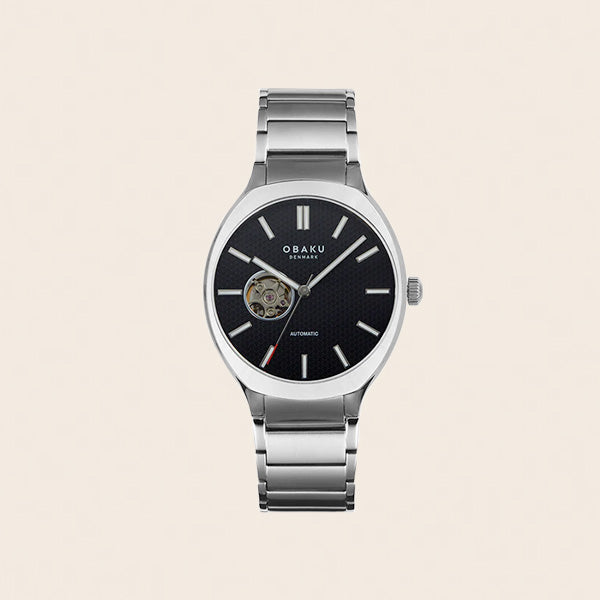
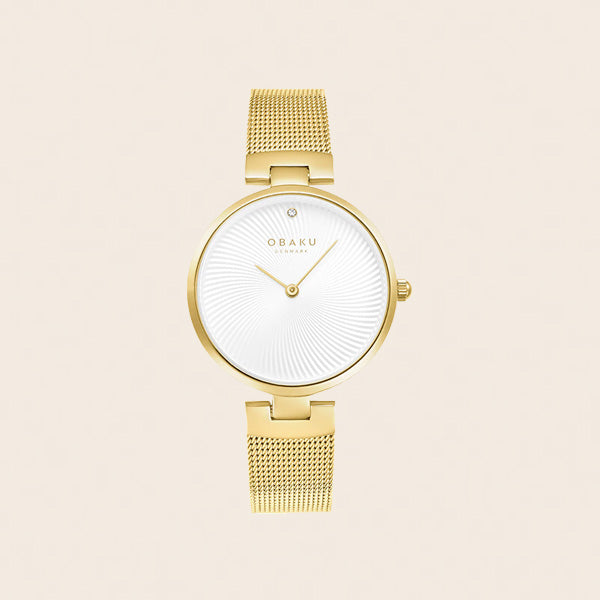
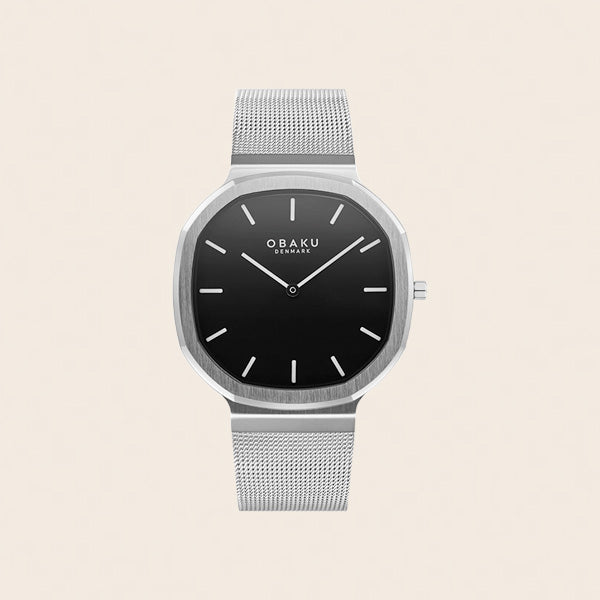
A prime example of this is seen in brands like Obaku. Obaku watch technology focuses on the marriage of Danish design minimalism and modern manufacturing precision. By utilizing advanced quartz movements and newer, stronger glass technologies like hardened mineral crystal, they create watches that are incredibly thin yet durable. This approach highlights a different side of the technological coin: using tech to strip away the unnecessary, leaving only a pure, aesthetic form.
Timekeeping Advancements and Accuracy
At the heart of every watch is the quest for accuracy. Timekeeping advancements have moved far beyond the standard mechanical deviation of a few seconds per day.
High-Frequency Movements
In the mechanical realm, new silicon escapements are impervious to magnetism and temperature changes, two of the biggest enemies of accuracy. This allows mechanical watches to keep time with unprecedented reliability.
Solar and Kinetic Power
Sustainability is a growing part of the wearable technology evolution. Light-powered watches (solar) have become so efficient that they can charge from a single candle flame. Kinetic technology converts the wearer's movement into electrical energy. These advancements reduce battery waste and ensure the watch keeps ticking as long as the user keeps moving.
Atomic Synchronization
For ultimate precision, radio-controlled and GPS-synced watches automatically align with atomic clocks. This ensures that the watch is accurate to the second, anywhere on the planet, without the user ever touching the crown.
The Future of Watchmaking
As we look forward, the lines between biology and technology will likely blur. We are approaching a future where watches may be powered by body heat (thermoelectric energy) or analyze sweat to provide real-time hydration and nutrition data.
The future of watchmaking isn't about choosing between mechanical soul and digital brain. It is about integration. We will see luxury mechanical watches with embedded smart chips in the straps, and smartwatches that adopt the heirloom quality materials of luxury pieces.
Frequently Asked Questions
What are the biggest watch technology trends right now?
The biggest trends include health monitoring (blood pressure, glucose estimates), the use of sustainable and recycled materials, and the rise of "hybrid" smartwatches that look analog but act digital.
How is Obaku watch technology different from a smartwatch?
Obaku focuses on design minimalism and physical durability rather than digital connectivity. Their technology lies in precision manufacturing to achieve ultra-slim cases and reliable quartz movements, offering a modern aesthetic without the distraction of notifications.
Will smartwatches replace traditional watches?
It is unlikely. Traditional watches are treated as jewelry, status symbols, and heirlooms. Smartwatches are treated as consumer electronics. Both serve different needs and can coexist in the market.
What are hybrid watch features?
Hybrid watches typically offer step tracking, sleep monitoring, vibration notifications for calls/texts, and automatic time zone updates, all while maintaining a traditional analog face with physical hands.
Embracing the Evolution of Time
The definition of a watch has expanded. It is no longer a passive observer of time but an active participant in our daily lives. From the life-saving capabilities of smart watch innovations to the refined manufacturing of brands utilizing Obaku watch technology, the industry is more vibrant than ever.
Whether you prefer a hand-assembled mechanical movement or a digital interface that connects you to the cloud, one thing is clear: technology hasn't killed the watch. It has saved it.