

Minimalism isn't just a design trend—it's a philosophy that's reshaping how we dress, what we buy, and how we express ourselves. The rise of minimalism in fashion reflects a broader cultural shift toward intentionality, sustainability, and timeless style. Clean lines, neutral palettes, and refined silhouettes are replacing fast fashion's chaotic cycles, offering a quieter, more meaningful approach to personal style.
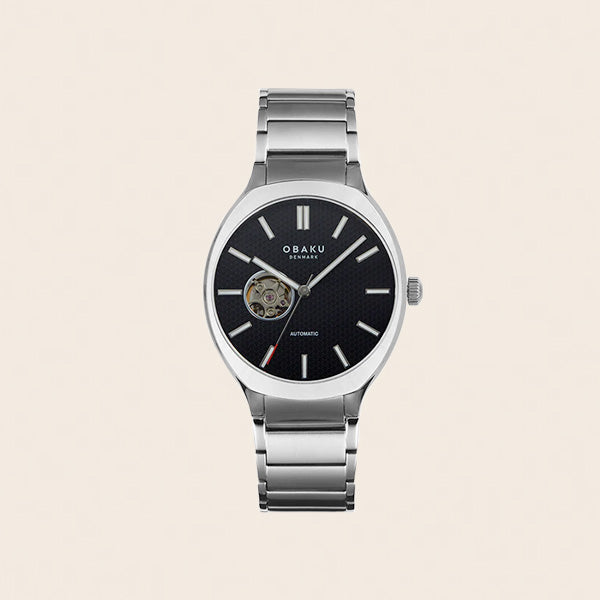
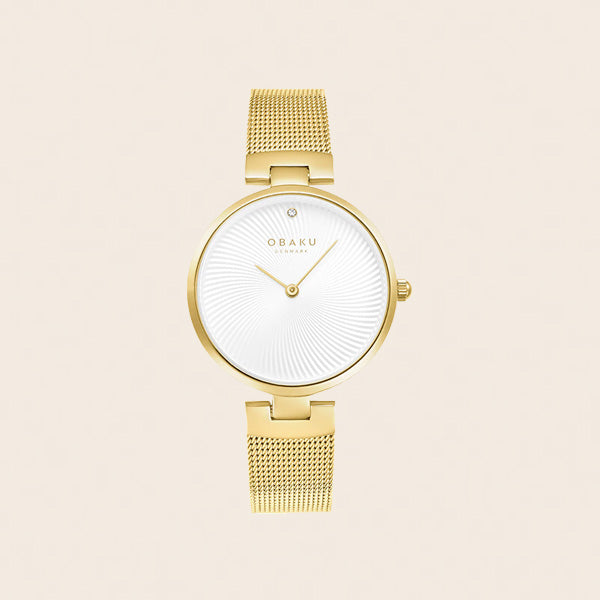
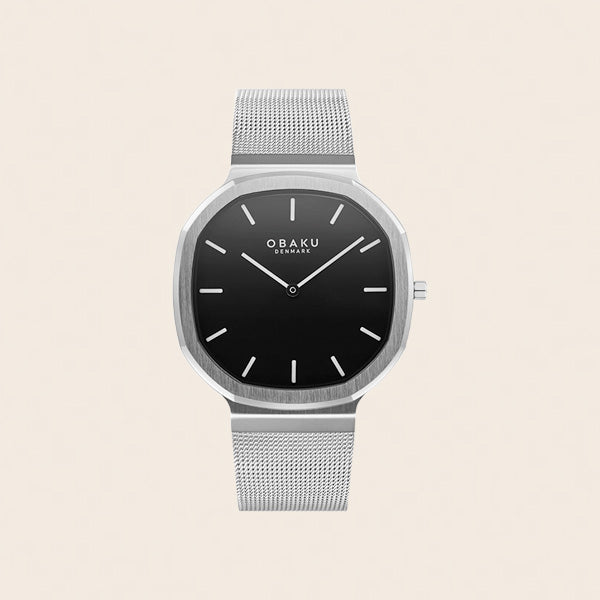
Minimalist fashion trend enthusiasts aren't chasing fleeting trends. They're building modern minimalist wardrobes filled with versatile pieces that last. Brands like Obaku have embraced this ethos, proving that simplicity in fashion can be both elegant and impactful. From minimalist style clothing to elegant minimal watches, the movement celebrates quality over quantity and thoughtfulness over impulse.
This post examines the growing trend of minimalism in fashion, explores what makes it so appealing, and highlights how Obaku embodies this philosophy through its Scandinavian minimalist fashion approach.
What Is Minimalist Fashion?
Minimalist fashion is characterized by simplicity, functionality, and timeless appeal. It strips away excess—loud patterns, unnecessary embellishments, and trend-driven pieces—in favor of clean fashion aesthetics that prioritize form and quality.
At its core, minimalist fashion is about making intentional choices. It encourages you to invest in fewer, better items that work across seasons and occasions. Think tailored blazers, white button-downs, well-fitted jeans, and accessories like minimal watch styles that add refinement without overwhelming an outfit.
This approach also aligns with a minimalist lifestyle fashion mindset. It's not just about clothes; it's about decluttering your life, reducing decision fatigue, and focusing on what truly matters.
Why Minimalism in Fashion Is Gaining Momentum
Several factors have fueled the rise of minimalism in fashion over the past decade:
Sustainability Concerns
Fast fashion's environmental impact has become impossible to ignore. Overflowing landfills, exploitative labor practices, and wasteful production cycles have prompted consumers to reconsider their shopping habits. Minimalism offers an alternative: fewer purchases, higher quality, and longer-lasting garments.
By choosing timeless minimalist accessories and durable clothing, you reduce waste and support brands committed to ethical practices.
Decision Fatigue
The average person makes thousands of decisions daily. A cluttered closet only adds to the mental load. Minimalist wardrobes simplify morning routines by offering versatile pieces that mix and match effortlessly.
When every item serves a purpose and pairs well with others, getting dressed becomes quicker and less stressful.
Timeless Appeal
Trends come and go, but refined fashion style endures. Minimalist pieces don't scream for attention or date themselves within a season. A classic trench coat, a pair of leather loafers, or an understated watch will look just as relevant five years from now.
This longevity makes minimalism a smart financial choice, too. You spend less over time because you're not constantly replacing outdated items.
Aesthetic Clarity
There's something deeply satisfying about a clean, cohesive look. Minimalist fashion embraces neutral tones—black, white, beige, gray—and simple silhouettes that create visual harmony. The result is polished, sophisticated, and effortlessly chic.
Key Principles of Minimalist Style
Building a minimalist wardrobe requires more than just buying plain clothes. It's about adopting a mindset rooted in intentionality and restraint. Here are the guiding principles:
Quality Over Quantity
Invest in well-made pieces that will withstand regular wear. Look for durable fabrics, solid construction, and classic cuts. A high-quality cashmere sweater or leather handbag may cost more upfront, but it pays off in longevity.
Versatility
Each item should work across multiple outfits and occasions. A simple white tee can be dressed up with tailored pants or dressed down with jeans. A minimal watch style complements both casual and formal looks.
Neutral Color Palette
Stick to a cohesive color scheme that makes mixing and matching effortless. Black, white, navy, gray, and beige form the foundation of most minimalist wardrobes, with occasional accents of muted tones like olive or rust.
Thoughtful Curation
Avoid impulse buys. Before purchasing, ask yourself: Does this fill a gap in my wardrobe? Will I wear it regularly? Does it align with my personal style? If the answer to any of these questions is no, skip it.
Timelessness
Choose pieces that transcend seasonal trends. A well-tailored blazer, a classic trench coat, and elegant minimal watches never go out of style.
How Obaku Embodies Minimalist Design
Few brands capture the essence of minimalist fashion as beautifully as Obaku. Rooted in Scandinavian minimalist fashion traditions, Obaku creates timepieces and accessories that exemplify simplicity, elegance, and functionality.
Clean Aesthetic
Obaku's designs are defined by their understated beauty. Clean dials, slim cases, and refined details create watches that make a subtle yet powerful statement. There are no unnecessary flourishes—just pure, timeless design.
Scandinavian Influence
Scandinavian design is synonymous with minimalism. It values functionality, quality craftsmanship, and a connection to nature. Obaku draws from this heritage, producing pieces that feel modern yet rooted in tradition.
Versatility
Obaku watches pair seamlessly with any outfit, from casual weekend wear to tailored workwear. Their neutral tones and sleek silhouettes make them the perfect complement to a minimalist wardrobe.
Sustainability
Minimalism and sustainability go hand in hand. Obaku prioritizes responsible production and durable materials, ensuring their products are built to last. Choosing an Obaku watch means investing in a piece that won't need replacing after a single season.
Affordability Without Compromise
High-quality minimalist accessories don't always require a luxury price tag. Obaku offers refined fashion style at accessible price points, making minimalist design available to a wider audience.
Building a Minimalist Wardrobe: Practical Tips
Ready to embrace minimalism? Here's how to get started:
Audit Your Closet
Take everything out and assess what you actually wear. Donate or sell items that no longer serve you. Keep only the pieces you love and wear regularly.
Identify Gaps
Once you've pared down, look for gaps in your wardrobe. Do you need a versatile blazer? A quality pair of boots? A minimal watch style to complete your outfits?
Invest Strategically
Prioritize key pieces first: well-fitted jeans, a white shirt, a neutral coat, and comfortable shoes. These form the foundation of a minimalist wardrobe.
Choose Timeless Over Trendy
Resist the urge to buy something just because it's popular. Ask yourself if you'll still want to wear it in three years. If not, it's not worth the investment.
Accessorize Thoughtfully
Accessories can elevate a simple outfit. A sleek watch, a leather belt, or a structured handbag adds polish without clutter. Obaku's elegant minimal watches are a perfect example of timeless minimalist accessories that enhance any look.
Maintain a Capsule Wardrobe
A capsule wardrobe consists of 30–40 versatile pieces that can be mixed and matched to create countless outfits. This approach reduces decision fatigue and ensures everything in your closet earns its place.
The Broader Impact of Minimalist Fashion
The minimalist fashion trend extends beyond personal style. It encourages a shift in how we consume, value, and care for our belongings. By choosing quality over quantity and intentionality over impulse, we reduce waste, support ethical brands, and reclaim time and mental energy.
This movement also challenges the fashion industry to prioritize sustainability and transparency. As more consumers demand better practices, brands are responding with eco-friendly materials, fair labor standards, and longer-lasting products.
Why Minimalism Isn't About Deprivation
A common misconception is that minimalism means living with as little as possible. In reality, it's about living with intention. You don't have to own only ten items or wear the same outfit every day. Minimalism simply asks you to be deliberate about what you bring into your life.
It's not about deprivation—it's about making room for what truly matters. When you eliminate the excess, you gain clarity, confidence, and freedom.
Embrace Simplicity, Elevate Your Style
The rise of minimalism in fashion isn't slowing down. As more people seek simplicity, sustainability, and timeless style, minimalist fashion will continue to shape how we dress and what we value.
Brands like Obaku prove that less really is more. Their Obaku minimalist design philosophy shows that elegance doesn't require extravagance. With clean lines, refined craftsmanship, and a commitment to quality, Obaku offers the perfect entry point into minimalist style.
Whether you're building a modern minimalist wardrobe from scratch or refining your existing closet, the principles remain the same: choose intentionally, invest wisely, and embrace simplicity. Your wardrobe—and your life—will thank you.

