
Smartwatches track our steps. Phones tell us the time. Yet walk into any upscale restaurant or business meeting, and you'll notice something: people still wear traditional watches. Not because they need to check the hour, but because a watch communicates something a phone notification never will.
Watches have evolved from practical timekeepers into powerful style statements. They sit at the intersection of function and fashion, offering a way to express personality, elevate an outfit, and signal attention to detail. While trends come and go, the wristwatch has remained a constant in contemporary fashion—adapting, reinventing, and proving its relevance season after season.
Understanding the role of watches in modern fashion means recognizing how they bridge heritage and innovation, serving both as timeless fashion items and as contemporary accessories that reflect current aesthetic sensibilities.
Watches as Essential Fashion Statements
A watch does more than complete an outfit—it anchors it. While jewelry can feel ornamental and clothing choices vary by occasion, a well-chosen watch provides consistency. It becomes part of your visual signature.
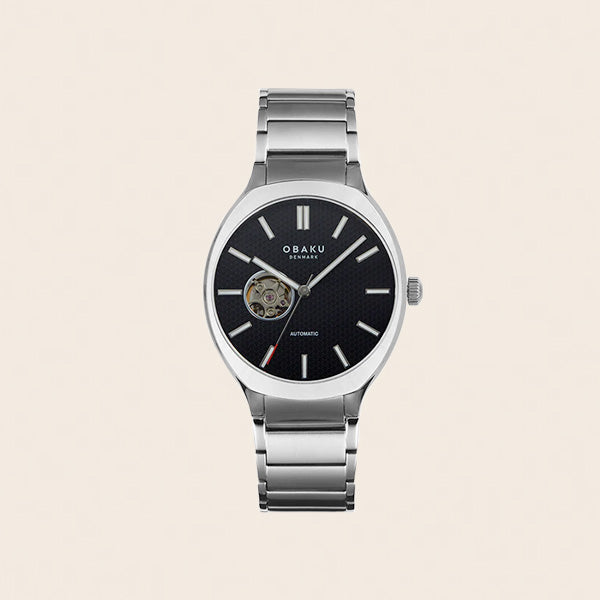
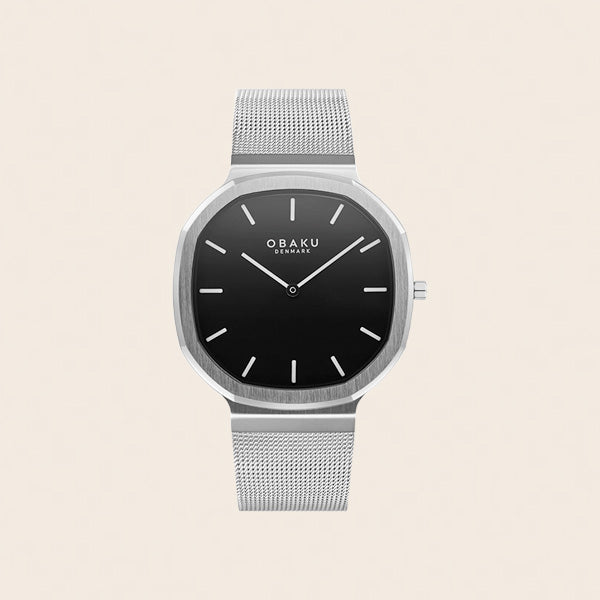
Fashion watches for men have become particularly versatile. A minimalist timepiece works equally well with a tailored suit or weekend denim. The key lies in choosing pieces that align with your personal aesthetic rather than chasing fleeting trends. Brands like Obaku have built their reputation on creating fashion watches that prioritize clean lines and understated elegance, proving that simplicity often makes the strongest statement.
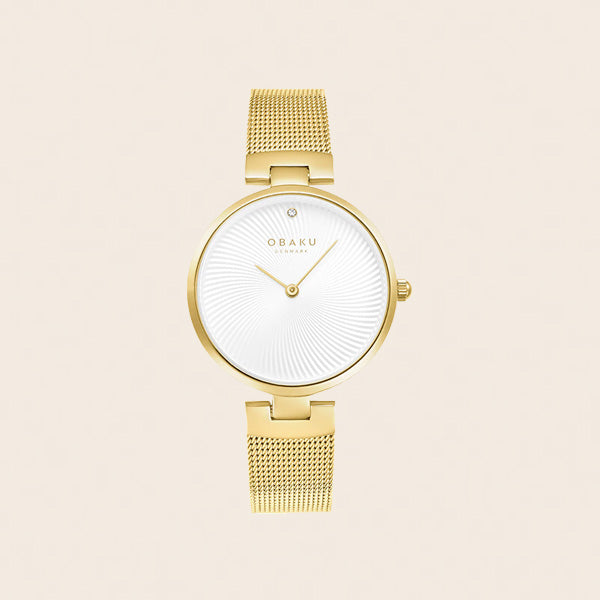
Women's fashion watches follow similar principles but offer additional opportunities for creativity. From delicate bracelet-style pieces to bold oversized faces, watches provide a framework for self-expression that other accessories can't quite match. They're visible without being intrusive, noticeable without demanding attention.
The Rise of Minimalist Fashion Accessories
The minimalist movement has reshaped how we approach accessories, and watches have been at the forefront of this shift. Cluttered designs have given way to refined aesthetics that emphasize quality over quantity. This transformation reflects broader cultural values: intentionality, sustainability, and lasting appeal over disposable fashion.
Minimalist fashion accessories work because they complement rather than compete. A streamlined watch face with a leather strap doesn't fight for attention against patterned fabrics or statement jewelry. Instead, it grounds the entire look, providing a visual anchor that ties disparate elements together.
Obaku fashion watches exemplify this approach. Their Danish design philosophy strips away unnecessary embellishment while maintaining sophistication. The result? Watches that feel current but won't look dated in five years. This longevity matters more as consumers become increasingly conscious of building sustainable wardrobes rather than chasing seasonal trends.
Watches for Daily Wear: Practicality Meets Style
The best fashion essentials are those you reach for without thinking. Watches for daily wear occupy this sweet spot—reliable enough for everyday use yet refined enough to transition seamlessly from morning coffee runs to evening dinners.
Dress watches for style traditionally meant formal pieces reserved for special occasions. That distinction has blurred. Contemporary designs prioritize versatility, creating timepieces that feel appropriate across contexts. A well-designed watch adapts to your life rather than requiring you to adapt to it.
Consider the practical elements that make modern accessory must-haves work in real life:
Durability: Quality materials that withstand daily wear without losing their finish
Comfort: Properly weighted cases and adjustable straps that don't irritate skin during long days
Water resistance: Basic protection against rain, handwashing, and unexpected splashes
Maintenance: Movements that don't require constant adjustment or professional servicing
These functional considerations don't diminish style—they enhance it. A beautiful watch that spends most of its time in a drawer serves no one.
Watches in Contemporary Fashion: Beyond Gender Norms
Fashion has increasingly moved away from rigid gender categories, and watches reflect this evolution. While "fashion watches for men" and women's styles still exist as useful categories, the boundaries have become far more fluid.
Oversized watches, once considered masculine, now appear regularly in women's fashion editorials. Delicate, jewelry-inspired pieces find homes on the wrists of all genders. The focus has shifted from "men's" or "women's" watches to finding pieces that suit individual style preferences and wrist sizes.
This flexibility extends to how watches interact with other accessories. Mixing metals was once considered a fashion faux pas; now it's standard practice. A gold-toned watch pairs comfortably with silver rings. Rose gold cases complement both warm and cool jewelry tones. These combinations work because contemporary fashion prioritizes personal expression over prescribed rules.
Accessory Trends 2025: What's Shaping Watch Fashion
Several key trends are defining how watches fit into modern wardrobes:
Sustainable materials: Recycled metals, vegan leather straps, and eco-conscious packaging respond to environmental concerns without compromising design quality.
Smart-traditional hybrids: Some brands incorporate subtle smart features into traditional designs, appealing to those who want connectivity without the aesthetic of a full smartwatch.
Bold color accents: While cases remain largely neutral, straps and dials experiment with unexpected colors—sage green, rust orange, navy blue—that add personality without overwhelming.
Micro-brands: Smaller, independent watchmakers challenge established names with fresh perspectives and direct-to-consumer models that offer better value.
Vintage revival: Design cues from the 1960s and 70s appear in contemporary pieces, particularly in dial layouts and case proportions.
These accessory trends for 2025 point toward watches becoming more personalized and value-driven. Consumers want pieces that reflect their values and aesthetic sensibilities rather than simply displaying brand names.
How to Choose Watches That Enhance Your Style
Selecting the right timepiece involves balancing several considerations:
Start with your wardrobe's color palette. If you primarily wear cool-toned clothing, silver or steel cases will integrate more seamlessly than gold. Those with warmer wardrobes might prefer brass, bronze, or rose gold tones.
Consider your typical sleeve length. Watches disappear under long sleeves and should be slim enough to slide comfortably beneath cuffs. If you usually wear short sleeves or rolled cuffs, you have more flexibility with case thickness and bracelet style.
Match formality levels. A diamond-encrusted dress watch feels out of place at a casual weekend brunch, just as a chunky sports watch can undercut an elegant evening look. Having two or three watches at different formality levels provides versatility.
Pay attention to the case size relative to your wrist. Oversized watches can overwhelm smaller wrists, while tiny cases disappear on larger frames. The lugs (the parts where the strap attaches) shouldn't extend beyond your wrist's width.
Test comfort over time. A watch might feel fine for five minutes in a store, but become irritating after several hours. If possible, wear it long enough to assess how it sits during different activities—typing, driving, dining.
The Enduring Appeal of Wristwatches and Fashion
Despite predictions that smartphones would render watches obsolete, they've experienced a resurgence. This revival isn't about necessity—it's about meaning. A watch represents craftsmanship, permanence, and personal style in ways that digital devices simply cannot.
Wristwatches and fashion maintain their connection because both involve careful curation and self-expression. Choosing what to wear on your wrist each morning is a small ritual, a moment of intentionality that sets the tone for your day. That tangible connection to personal style holds value that transcends practical function.
The watch industry has adapted by embracing what makes traditional timepieces distinct rather than competing directly with smart technology. This strategy has worked. Sales of mechanical and quartz fashion watches remain strong, particularly among younger consumers discovering watches for the first time.
Building a Watch Collection That Lasts
You don't need a dozen watches to have a functional, stylish collection. Three carefully chosen pieces cover most occasions:
A minimalist daily wear watch with a neutral dial and versatile strap serves as your foundational piece. This handles 80% of situations and should prioritize comfort and durability.
A dressier option for formal events, professional settings, or special occasions. This might feature a leather strap, refined case finishing, or a more elegant dial design.
A casual or sport-inspired piece for weekends, travel, or active pursuits. This watch should handle rougher treatment while still looking intentional rather than purely functional.
Quality matters more than quantity. Three well-made watches that you genuinely wear will serve you better than ten impulse purchases that gather dust. Look for pieces that feel authentic to your style rather than what fashion magazines suggest you should own.
Where Watches Fit in Your Style Evolution
As your style matures and evolves, your watches should grow with you. What worked in your early twenties might not align with your aesthetic a decade later. That's natural and expected.
Pay attention to which pieces you actually reach for. If a watch sits unworn for months, it's not serving your wardrobe—regardless of how much you spent or how fashionable it seemed at purchase. Consider selling or trading pieces that no longer fit your style to make room for items that do.
Watches also offer an opportunity to experiment with your look without major commitment. Swapping a leather strap for NATO fabric or changing from brown to black leather can refresh a watch's appearance and help you explore different aesthetic directions.
Why Watches Remain Modern Accessory Must-Haves
Fashion essentials earn that designation by providing consistent value across changing trends. Watches qualify because they serve multiple roles simultaneously—practical timekeeper, style statement, conversation starter, and sometimes even heirloom piece passed between generations.
Their visibility makes them powerful tools for personal branding. A watch communicates care about details, respect for craftsmanship, and confidence in personal style. These signals register subconsciously but meaningfully in professional and social contexts.
The tactile nature of watches also matters. In an increasingly digital world, something mechanical and tangible offers a counterbalance. Winding a watch, hearing it tick, or feeling its weight on your wrist provides a physical connection that screens cannot replicate.
Timeless Style Starts at the Wrist
Watches persist in contemporary fashion because they offer something rare: an accessory that's both deeply personal and universally understood. They bridge past and present, function and fashion, tradition and innovation.
Whether you gravitate toward minimalist fashion accessories or prefer bolder statements, there's a watch that fits your aesthetic. The key lies in choosing pieces that genuinely resonate with your style rather than following prescribed trends. A watch should feel like an extension of yourself—comfortable, appropriate, and authentic.
As you build your wardrobe, consider how watches can anchor and elevate your overall look. They're among the few accessories that genuinely deserve the label "essential," not because everyone needs them, but because they consistently prove their worth for those who choose to wear them.